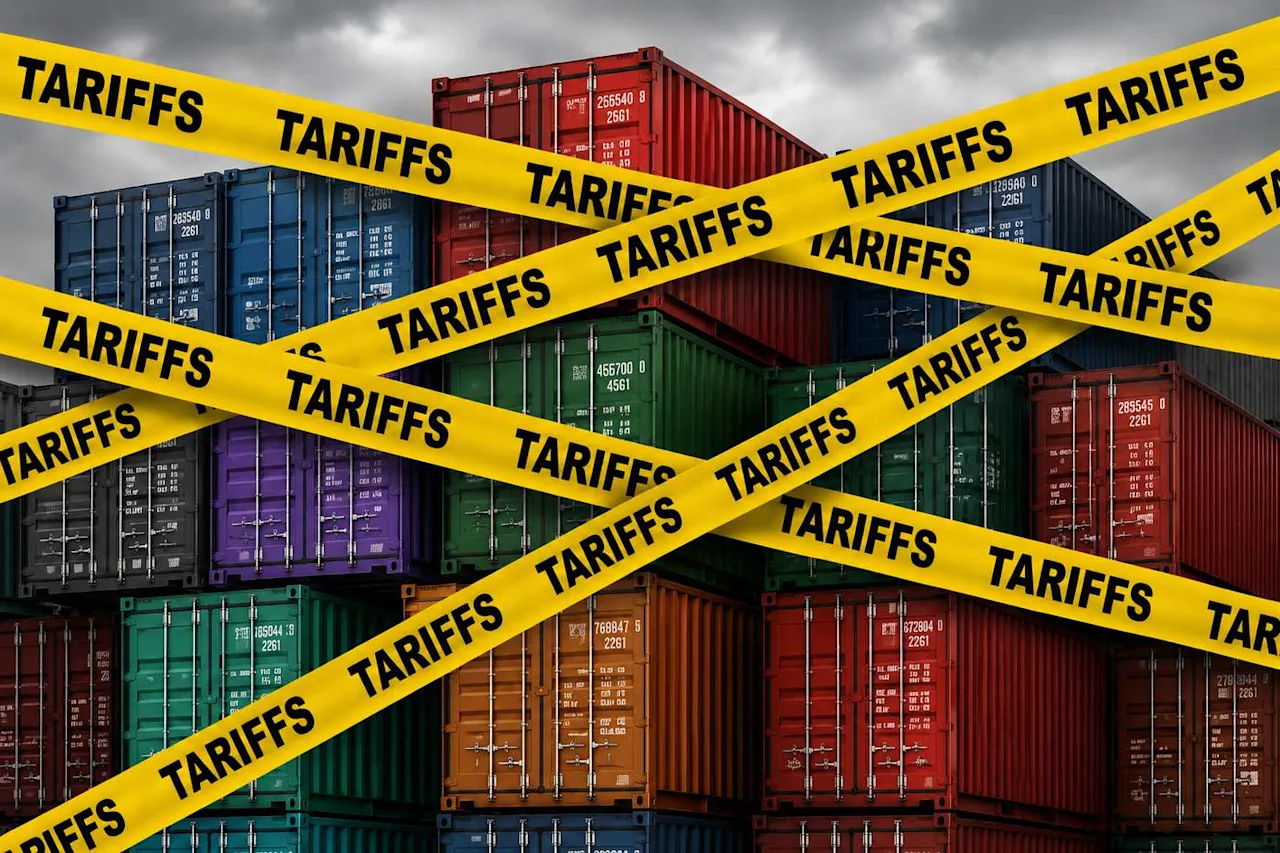
The short version: On February 20, 2026, the U.S. Supreme Court ruled the "reciprocal" tariffs unlawful, and the government stopped collecting them within days. If you import into the United States, that changes what you owe, what you may be able to reclaim, and which tariffs still apply. Here is the full picture.
What were reciprocal tariffs?
Reciprocal tariffs were introduced by Executive Order 14257 on April 2, 2025 - the day the administration branded "Liberation Day" - using the International Emergency Economic Powers Act (IEEPA). The policy set a baseline 10% tariff on nearly all imports, then layered higher, country-specific "reciprocal" rates on top, meant to mirror the trade barriers each partner placed on U.S. goods. Some rates climbed steeply; tit-for-tat escalation with China pushed effective duties on certain Chinese goods well above 100%.
The stated goal was leverage - use tariffs to pressure trading partners into lowering their own barriers. For importers, though, the practical effect was a sudden, unpredictable jump in landed costs. If you are unclear on how a tariff differs from a customs duty or an import tax, our guide on duty vs tariff breaks it down.
Why the Supreme Court struck them down
The tariffs were challenged almost immediately, and the case worked its way up to the Supreme Court. In a 6-3 decision written by Chief Justice Roberts, the Court held that IEEPA does not give the president the authority to impose tariffs at all. IEEPA lets a president regulate certain economic transactions during a declared emergency, but it never mentions tariffs or duties - and the power to tax imports sits with Congress under Article I of the Constitution.
In short, the Court found the administration had stretched an emergency-powers statute to do something only Congress can do. The ruling invalidated both the reciprocal tariffs and the separate IEEPA-based tariffs tied to China, Canada, and Mexico. Following the decision, the administration issued an order terminating the IEEPA tariffs, and U.S. Customs and Border Protection (CBP) halted collection for goods entered on or after February 24, 2026.
What happens to tariffs already paid?
This is the question most importers are asking. The Supreme Court sent the refund issue back to the lower courts rather than ordering repayment outright - and estimates put the pool of potentially refundable duties at roughly $175 billion. Refunds are likely, but the mechanism and timing are still being worked out.
If you paid reciprocal tariffs, the practical move is to preserve your refund rights now rather than wait. Work with your customs broker to identify affected entries and, where appropriate, file protests or post-summary corrections so those entries stay eligible once the process is finalized. Because the rules are still settling, confirm current guidance before you act.
What replaced reciprocal tariffs?
Tariffs did not disappear - the legal basis simply shifted onto more established authorities:
- A temporary Section 122 10% global tariff bridged the gap and expired around July 24, 2026.
- The current framework leans on Section 301 measures - including a forced-labor tariff of roughly 10% for standard-tier economies and higher rates (around 12.5%) for a larger group of economies - alongside longstanding Section 232 duties on metals such as steel and copper, plus various product-specific actions.
The "reciprocal" label is gone, but tariff exposure remains - just under different statutes that are far less legally vulnerable than IEEPA was.
Reciprocal tariff rates by country: what changed
Because the reciprocal schedule was struck down, the country-by-country "reciprocal rate" tables that circulated in 2025 are now historical, not current. Effective rates today depend on the replacement measures and any bilateral deals. India's effective rate, for instance, has sat near 50% while negotiations continue; other partners face a patchwork of Section 301, Section 232, and product-level duties.
Rather than rely on a static table, always confirm the current rate for your specific product (HTS code) and country of origin against USTR and CBP. For the maintained country picture, see our US tariff rates by country hub, and for trade-remedy duties that were unaffected by this ruling, see anti-dumping duties.
What it means for US importers
The bigger lesson is not any single rate - it is volatility. In under a year, importers watched reciprocal tariffs get imposed, escalated, litigated, and struck down. That whipsaws landed costs, complicates pricing, and - critically - ties up working capital in duties you may or may not get back. A refund you are owed but cannot access for months is cash that is not funding your next order.
This is exactly where managing the cash-flow impact of duties matters, and where trade financing can bridge the gap so a tariff swing - or a delayed refund - does not stall your shipments.
Facing tariff-driven cash-flow pressure?
Drip Capital's financing helps US importers keep goods moving through tariff volatility.
See how it works
What importers should do now
- Audit your 2025 entries for reciprocal tariffs paid, and preserve refund eligibility with your customs broker.
- Reclassify with care - confirm the correct HTS code and country of origin, since the replacement duties are product- and origin-specific.
- Model scenarios instead of a single rate - build best, expected, and worst cases into your landed-cost planning.
- Secure flexible working capital so tariff volatility and refund delays do not choke your ability to buy inventory.
Frequently asked questions
Were reciprocal tariffs struck down? Yes - the Supreme Court ruled them unlawful on February 20, 2026, and CBP stopped collecting them for goods entered on or after February 24, 2026.
Can I get a refund on reciprocal tariffs I paid? Possibly. Refunds were remanded to the lower courts. Preserve your rights by working with your customs broker on affected entries while the process is decided.
What tariffs apply now? Section 301 measures (including the forced-labor tariff), Section 232 duties on metals, and product-specific actions. The reciprocal / IEEPA layer has been removed.
Do reciprocal tariffs still apply to China? No - the IEEPA-based tariffs on China were struck down along with the reciprocal schedule, though other China-specific measures (such as Section 301) remain in force.